Basement waterproofing works best when it is planned before construction, with a membrane on the outside of the walls and under the floor. In an existing basement, seepage can still be controlled from inside with crack injection, crystalline treatments and a proper drainage path for any water that remains.
A basement sits in damp soil for its whole life. After heavy rain, water pressure builds up against the walls and floor, and it will push through any crack, joint or porous patch of concrete it can find.
Where the water gets in
- Construction joints between the floor slab and walls, or between two pours of concrete.
- Shrinkage cracks in the walls or slab.
- Pipe and cable openings that were never sealed.
- Honeycombed concrete where the mix was not compacted properly.
- Rising damp through the floor where there is no barrier underneath.
A careful inspection after rain usually shows the pattern. Wet lines along joints point to one fix; damp spread evenly across a wall points to another.
Doing it right in a new building
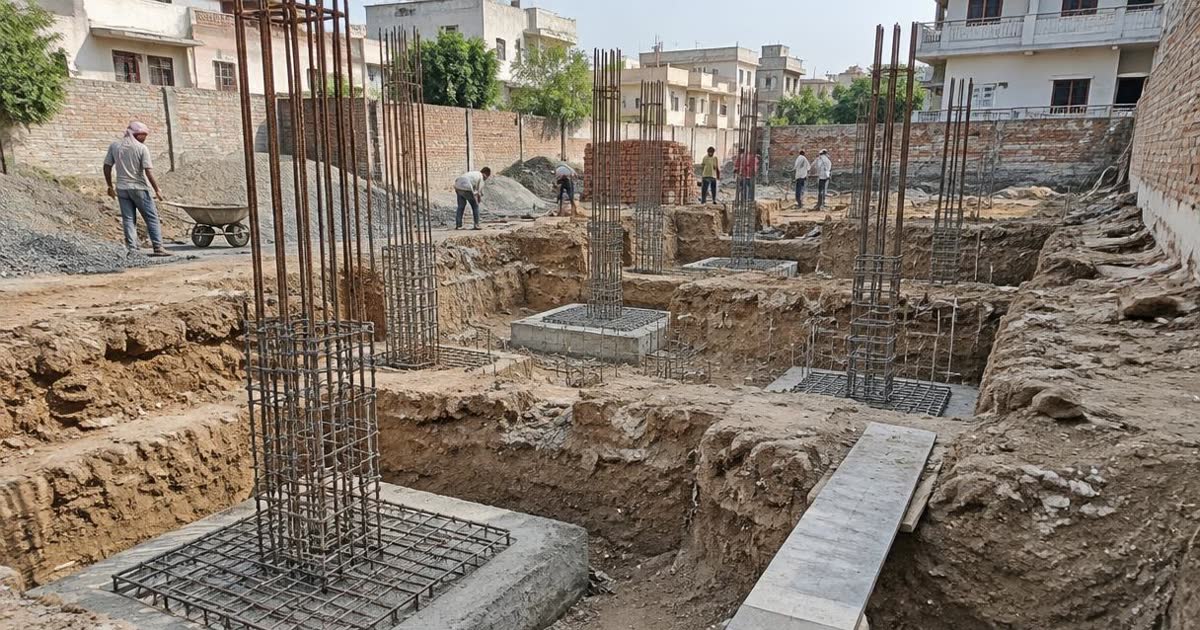
Outside waterproofing, called positive-side waterproofing, keeps water away from the concrete altogether. It can only be done while the soil is open.
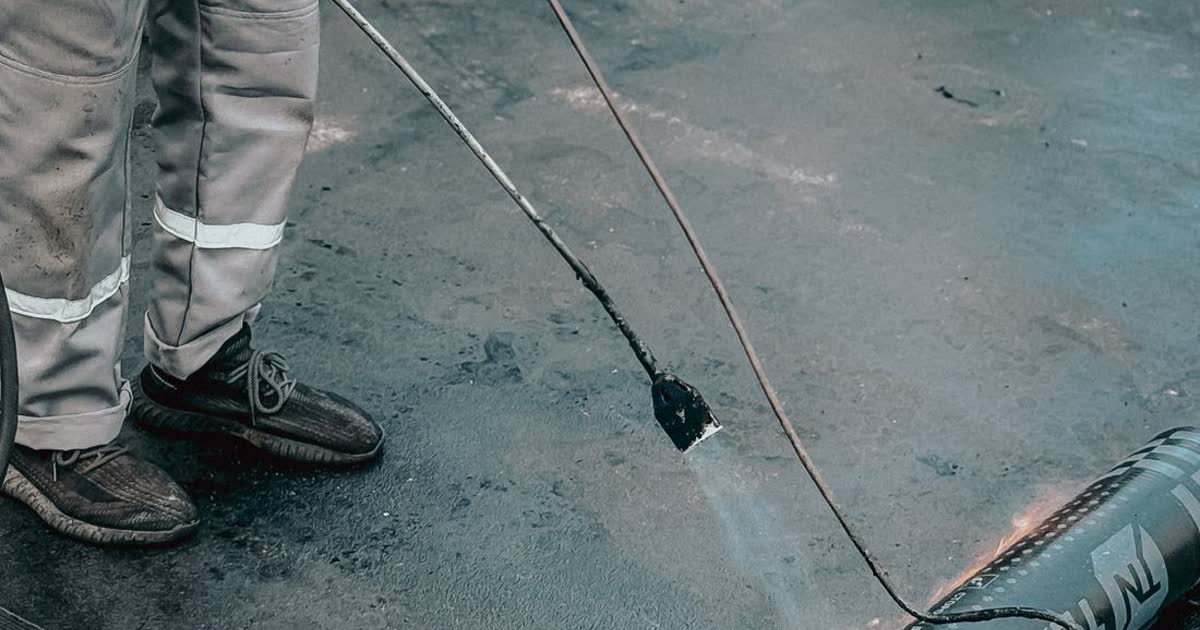
- Lay a membrane or treated layer on the blinding concrete before the floor slab is cast.
- Use water bars or sealing strips at construction joints.
- Apply a membrane or coating to the outside of the retaining walls and protect it before backfilling.
- Add a drainage layer and outlet so water does not stand against the wall.
These details belong in the plan from the start. Our article on house construction stages shows where they fit in the build sequence.
Basement Waterproofing
Damp or leaking basement?
Send us photos of the damp areas. We will inspect the basement and explain the right fix.
Fixing seepage in an existing basement
When the outside is no longer reachable, the work is done from inside, called negative-side waterproofing.
Injection grouting
Small ports are fixed along active cracks and joints, and a sealing grout is pumped in under pressure. This stops water at the exact point where it enters.
Crystalline and cementitious coatings
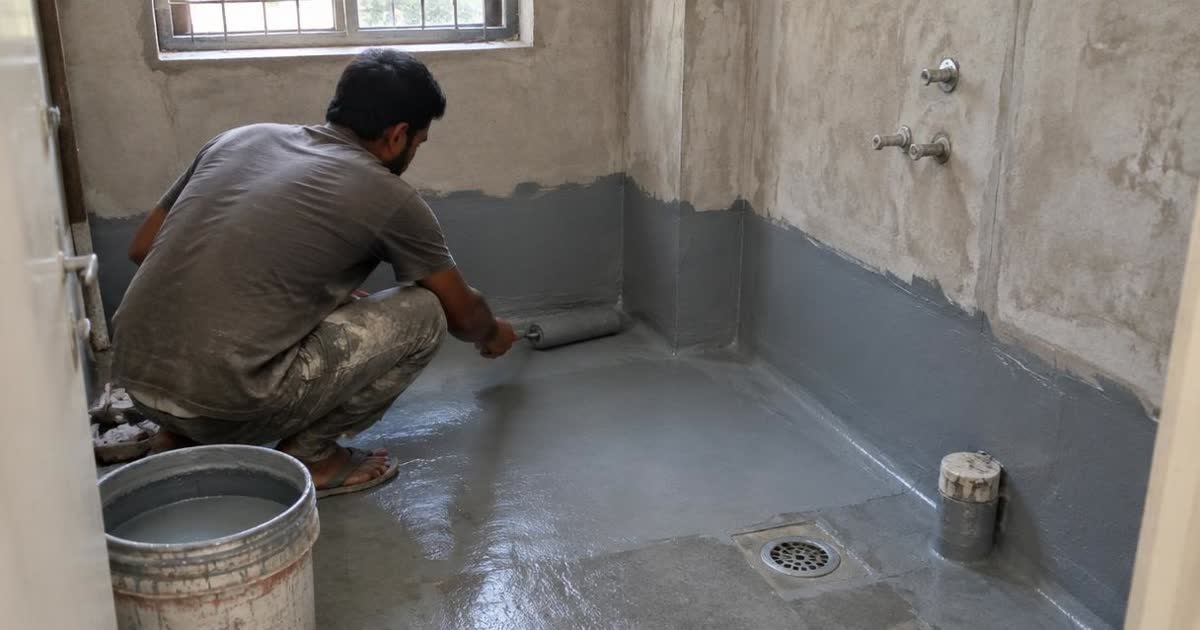
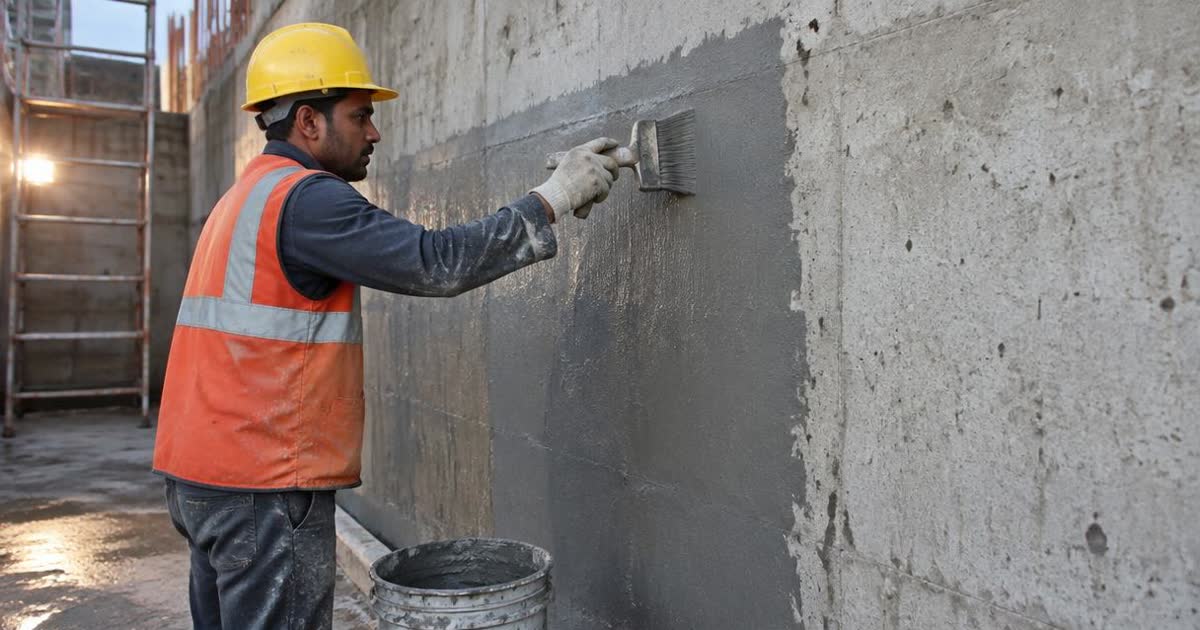
Crystalline products react with moisture in the concrete and form crystals that block the pores. Polymer-modified cementitious coats add a tough barrier on the inside face.
Managing remaining water
In basements with high water pressure, a drainage channel and sump may be needed to collect water safely rather than trying to hold all of it back.
What affects the cost
The main factors are the basement area, the number and size of active leaks, how much plaster or finish must be removed, and whether a drainage system is required. A site inspection is the only honest way to price the job.
Conclusion
Find where the water enters, stop it at that point, and give any remaining water somewhere to go. That is the core of lasting basement waterproofing, whether the building is new or twenty years old.
We treat basements for homes, shops and commercial complexes in Agra. View our waterproofing services or contact us to book a site inspection after the next heavy rain.
Frequently asked questions
Can basement waterproofing be done from inside?
Yes. Injection grouting, crystalline treatments and inside coatings can control seepage when the outside walls cannot be reached.
Why does my basement get wet only in the monsoon?
Groundwater and soil moisture rise after heavy rain, increasing pressure on the walls and floor and pushing water through weak points.
Is injection grouting permanent?
Done properly on the right cracks, it gives a long-lasting seal. New cracks from building movement may need treatment later.
Basement Waterproofing
Damp or leaking basement?
Send us photos of the damp areas. We will inspect the basement and explain the right fix.