The best time for roof waterproofing in Agra is between March and early June, after the roof has dried out and before the monsoon arrives. Work done in this window cures properly in dry weather and is tested by the first heavy rain, not ruined by it.
Flat RCC roofs here take a beating. Summer surface temperatures run far above the 45°C air temperature, and the slab expands and contracts every day. Small cracks open up, old plaster coats lose their grip, and by July water is finding its way into ceilings and walls.
Warning signs your roof needs attention
You do not need to wait for water dripping from a ceiling. Walk up to your terrace and look for these signs during the dry months:
- Hairline or wider cracks across the slab or along the parapet wall joint.
- Damp patches, peeling paint or white salt deposits on the top-floor ceiling.
- Water that stays in pools for hours after rain, usually near blocked or badly placed outlets.
- Old waterproofing that is lifting, blistered or powdery when you scratch it.
- Plants or moss growing in roof corners, which means moisture stays trapped there.
Choosing the right roof waterproofing system
There is no single best product. The right choice depends on how the roof is used, the condition of the slab and your budget. These are the systems we use most often on Agra roofs.
APP or torch-applied bitumen membrane
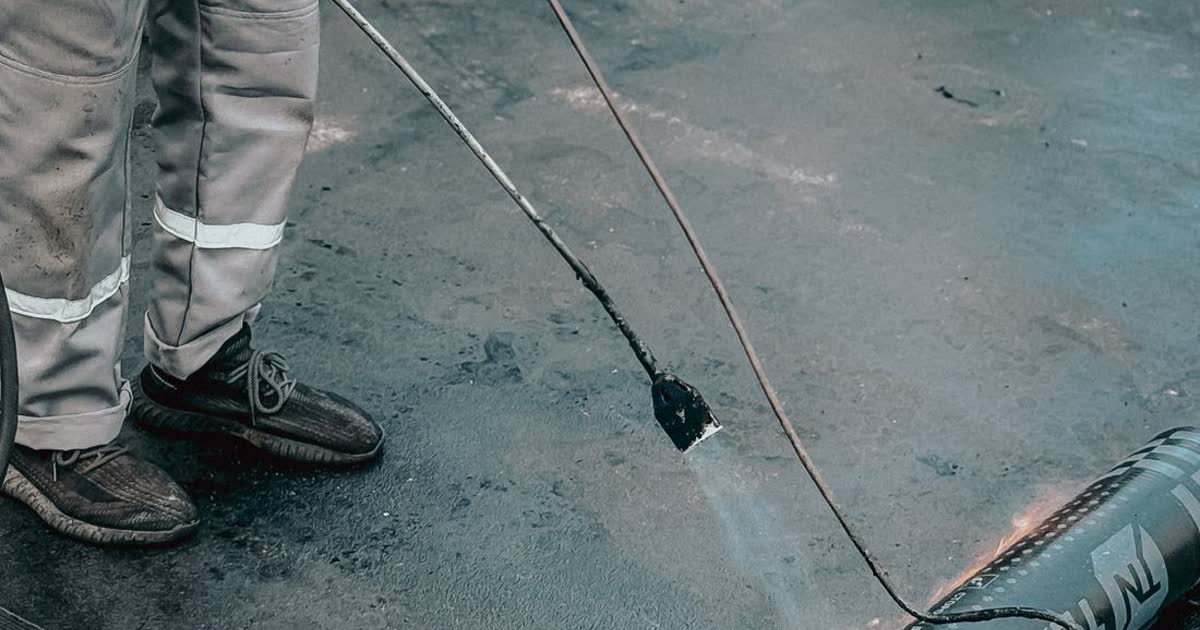
A thick, reinforced sheet bonded to the slab with heat. It handles foot traffic and strong sun well when it carries a mineral or reflective top layer. It suits large flat roofs, factories and terraces that are not tiled.
Liquid polyurethane or acrylic coatings
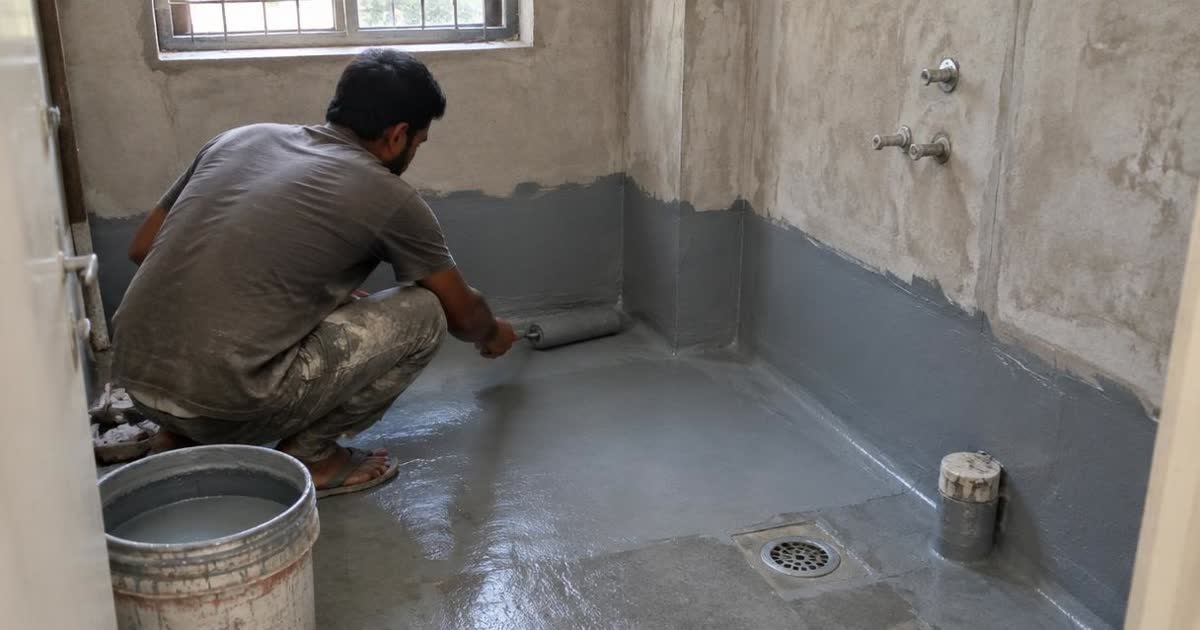
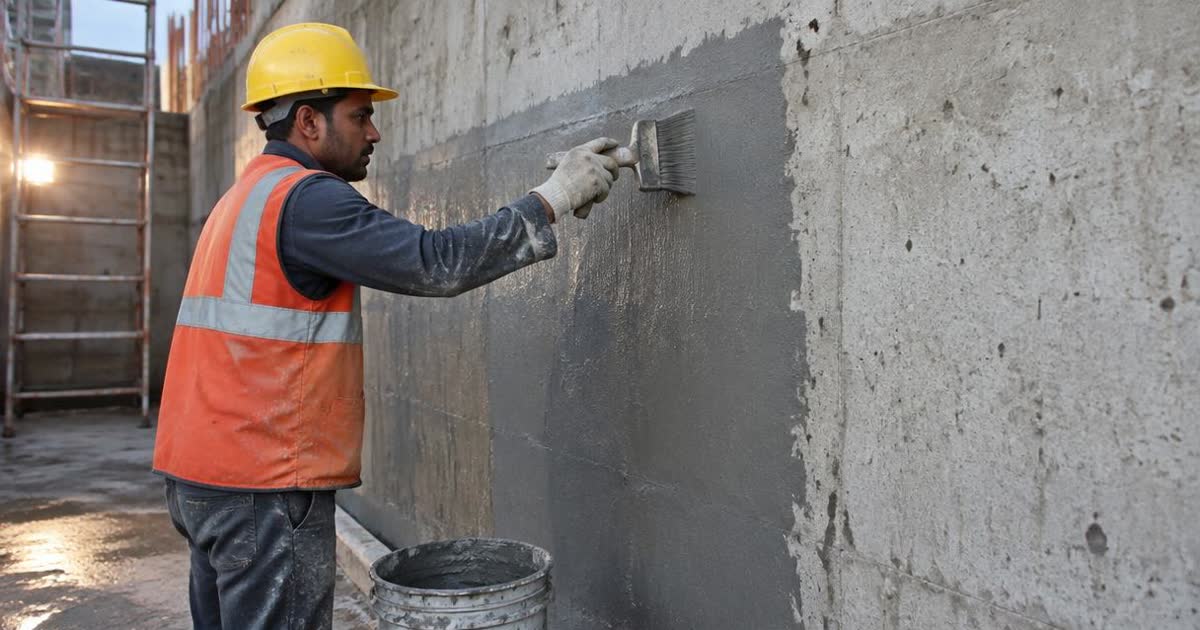
Applied by roller or brush in two or more coats, forming a seamless layer that wraps around pipes and corners. Reflective white coatings also reduce heat entering the top floor, which matters in an Agra summer.
Brick bat coba and cementitious systems
The traditional North Indian method uses broken brick bats laid in waterproof mortar to create a slope, finished with a cement layer. It is durable when laid with a proper slope, and often combined with a chemical coating on top.
How proper roof waterproofing is done
Most failures we are called to fix come from skipped preparation, not bad material. A sound job follows these steps:
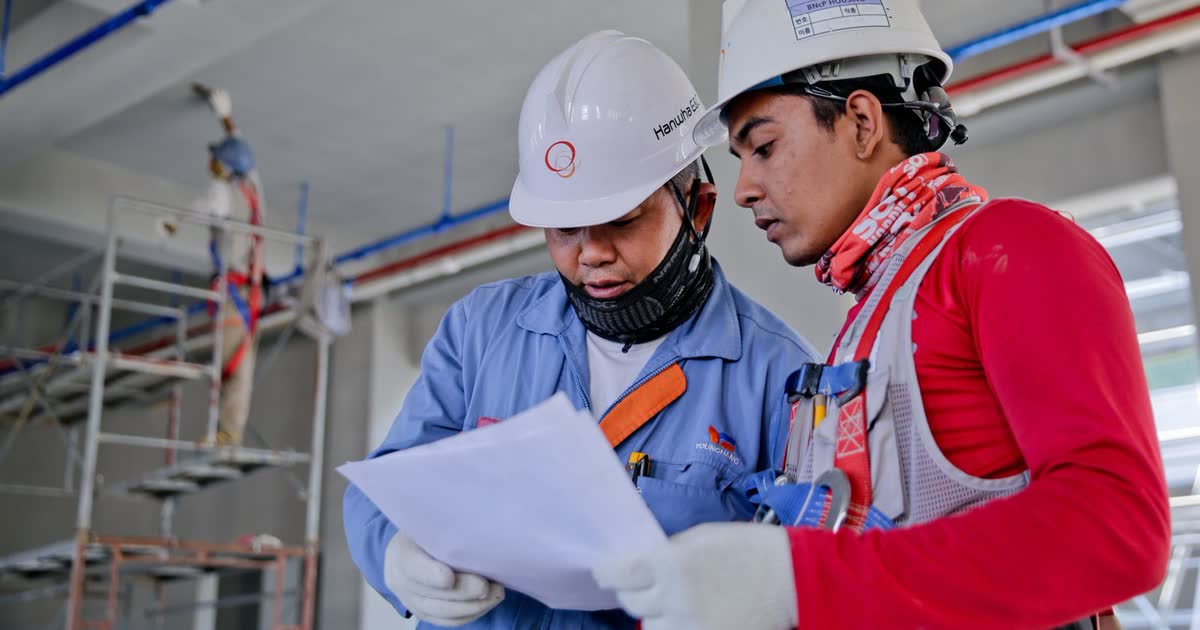
- Inspection: check the slab, slope, outlets and parapet joints, and note the leak points from inside.
- Surface preparation: remove loose plaster, failed coatings and dust; open up and fill cracks.
- Detailing: form rounded fillets at wall-floor joints and seal around pipes and drain outlets.
- Application: apply primer and the chosen system at the manufacturer's coverage and thickness.
- Curing and testing: allow full curing, then flood or water-test the roof before handing over.
Roof Waterproofing
Get your roof checked before the rains
Tell us about the leak or damp patch. We will inspect the roof and suggest the right fix.
Care after the work is finished
Keep outlets clear of leaves and plastic, especially before the first rain. Avoid fixing new dish antennas, water tank stands or railings by drilling through the coating without resealing the holes. A quick check every year before the monsoon keeps small issues small.
If damp has already reached walls lower down, the source may not be the roof at all. Our guide to bathroom leakage repair covers another common cause of ceiling damp in multi-storey homes.
Conclusion
Waterproofing a roof is far cheaper than repairing damaged plaster, wiring and furniture after a wet season. Inspect in spring, fix the cause rather than the symptom, and choose a system that suits how your roof is used.
BS Rajput Contractor carries out roof and terrace waterproofing across Agra, from homes to factory sheds. See our waterproofing services or contact us for a free site visit before the rains.
Frequently asked questions
When is the best time to waterproof a roof in Agra?
March to early June is ideal. The slab is dry, coatings cure well in the heat, and the work is complete before the monsoon starts.
Can roof waterproofing be done during the monsoon?
Emergency leak repairs can be done on dry days, but most systems need a dry surface to bond. A full job is best planned for the dry season.
How long does roof waterproofing last?
It depends on the system, roof use and workmanship. A well-applied membrane or coating with yearly maintenance typically lasts several years before it needs a recoat.
Do I need to remove my old waterproofing?
Not always. Loose or blistered layers must come off, but a sound base can often be repaired and recoated, which saves time and money.
Roof Waterproofing
Get your roof checked before the rains
Tell us about the leak or damp patch. We will inspect the roof and suggest the right fix.