Most bathroom leakage comes from one of four sources: gaps in tile grout, leaking pipe joints inside the wall, a poorly sealed floor drain, or waterproofing under the tiles that has failed or was never done. Finding which one is the cause decides whether a small repair is enough or the floor must be redone.
In apartments and multi-storey homes, a leaking bathroom often shows up as a stain on the ceiling of the room below. Painting over it only hides the problem until the next patch appears.
Common causes of bathroom leaks
- Cracked or missing grout that lets water seep under the tiles every time the floor is washed.
- Concealed pipe leaks at joints and mixer fittings inside the wall.
- Floor drain gaps where the drain body meets the floor slab.
- Failed waterproofing beneath the tiles, or none at all.
- Poor slope that leaves water standing in corners.
How to trace the source
A few simple checks narrow it down before anything is broken:
- Close all taps and watch the water meter. If it moves, a supply pipe is leaking.
- Keep the bathroom dry for two or three days and see whether the damp patch below dries.
- Then flood only the floor with water for a few hours and check below again.
- Look closely at grout lines, the drain and the joint between floor and wall.
Moisture meters and thermal checks help on stubborn cases, but these basic steps answer most questions.
Note the result of each test. If bathroom leakage stops when the room is kept dry, the floor or drain is the cause; if damp continues, look at the pipes inside the wall.
Bathroom Waterproofing
Leak from your bathroom?
Tell us where the damp shows. We will find the source and recommend the right repair.
Repair options, from small to complete
Regrouting with epoxy grout
If the tiles and base are sound and the leak comes through joints, old grout is raked out and replaced with epoxy grout. Epoxy resists water and stains far better than cement grout.
Sealing pipes and drains
Leaking pipe joints must be opened and repaired. Drains are resealed around their body with a suitable waterproof compound.
Full waterproofing and retiling
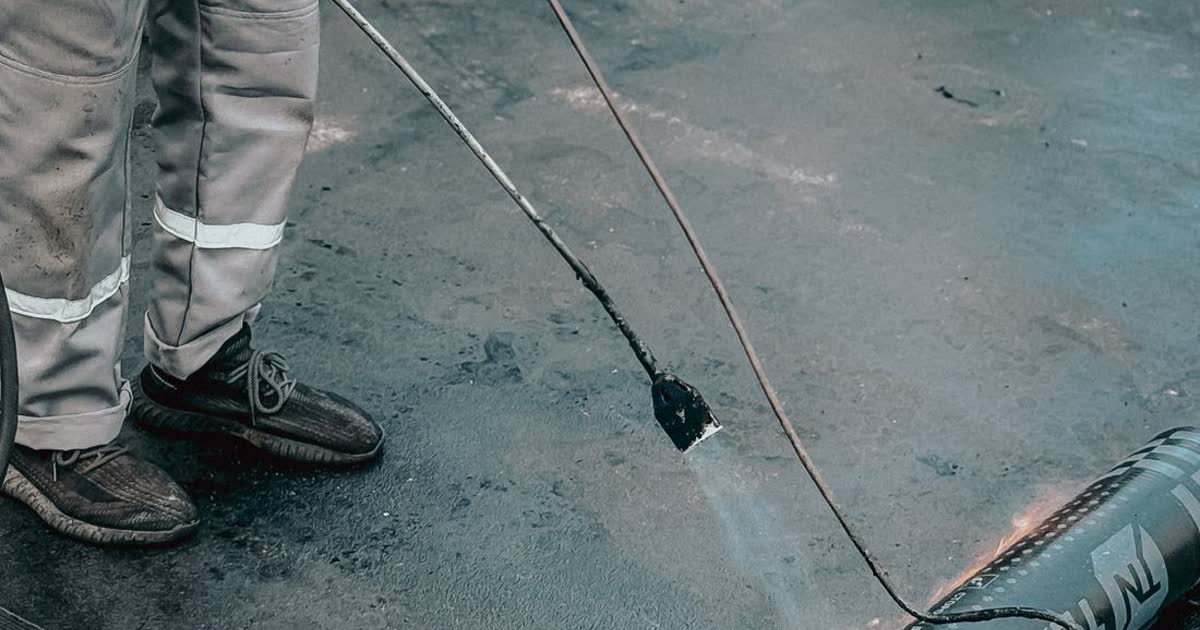
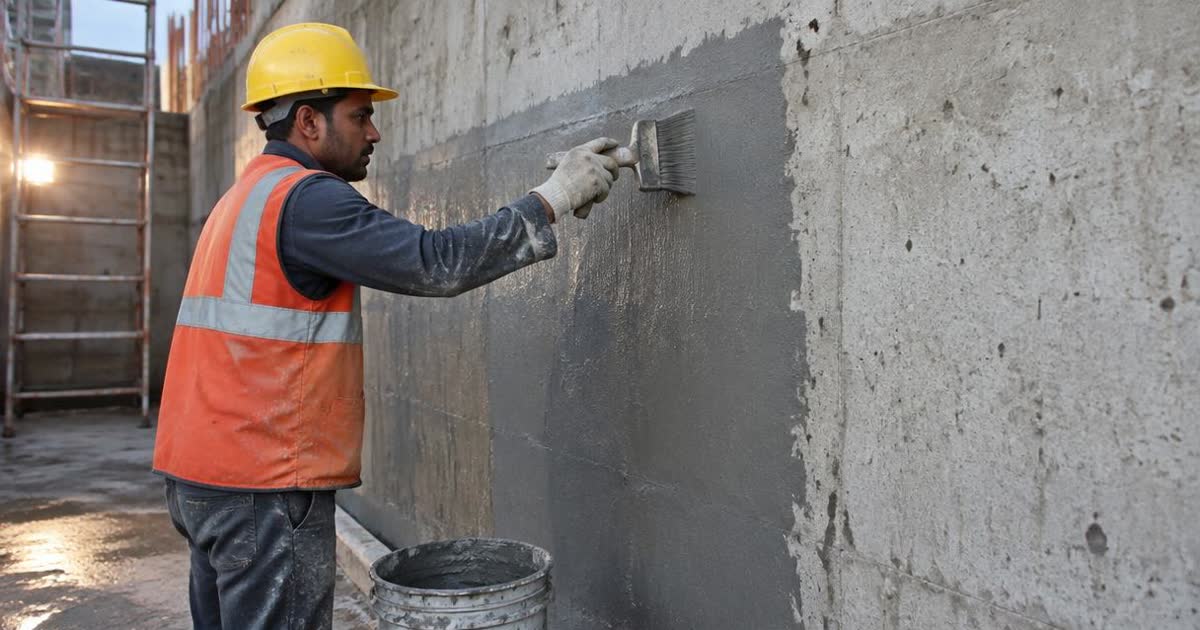
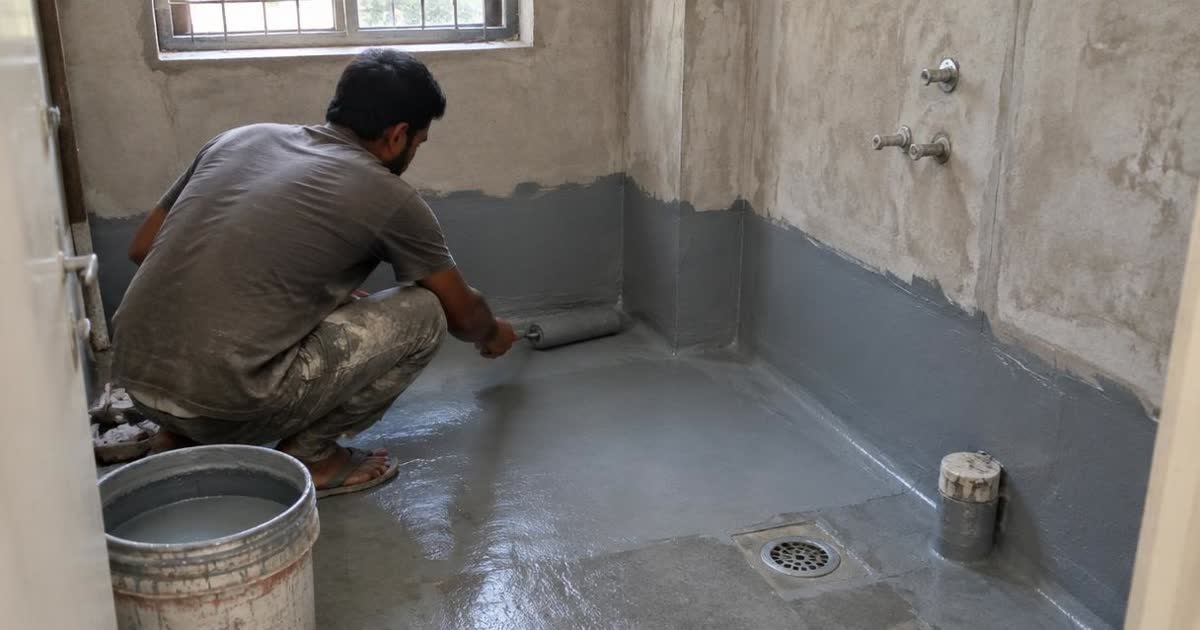
When the leak comes from below the tiles, the lasting fix is to remove the tiles, repair the base and apply a waterproofing membrane across the floor and up the walls. The surface is water-tested before new tiles are laid.
Preventing leaks in a new bathroom
Waterproof the full floor and at least the lower part of the walls, with extra height in the shower area. Seal all pipe openings and the drain, give the floor a gentle slope, and pressure-test plumbing before tiling. The same rule applies on the roof, as covered in our guide to roof waterproofing before the monsoon.
Conclusion
Trace first, then repair. Small grout and drain issues can be fixed quickly, but leaks from failed waterproofing need the floor redone properly, or they will come back.
We repair bathroom leaks and waterproof new bathrooms for homes and apartments in Agra. See our waterproofing services or contact us to arrange an inspection.
Frequently asked questions
Can bathroom leakage be fixed without breaking tiles?
Sometimes. Leaks through grout or the drain can be fixed without breaking tiles, but failed waterproofing under the tiles usually needs them removed.
Why is the ceiling below my bathroom wet?
Water from the bathroom floor is getting past the tiles and through the slab, usually via grout gaps, the drain or failed waterproofing.
Is epoxy grout better than cement grout?
For wet areas, yes. Epoxy grout absorbs far less water and resists stains and cracking.
Bathroom Waterproofing
Leak from your bathroom?
Tell us where the damp shows. We will find the source and recommend the right repair.