Most house construction stages follow the same order: planning and approvals, foundation, plinth, RCC frame, brickwork, roof slab, services, plaster, waterproofing and finishing. Knowing this sequence helps you plan payments, check quality at the right moments and avoid costly rework.
Building a house is often the biggest spend of a family's life. You do not need to be an engineer to follow the work, but you should know what happens when, and what to look at before the next stage covers it up.
Stage 1: Planning, soil and approvals
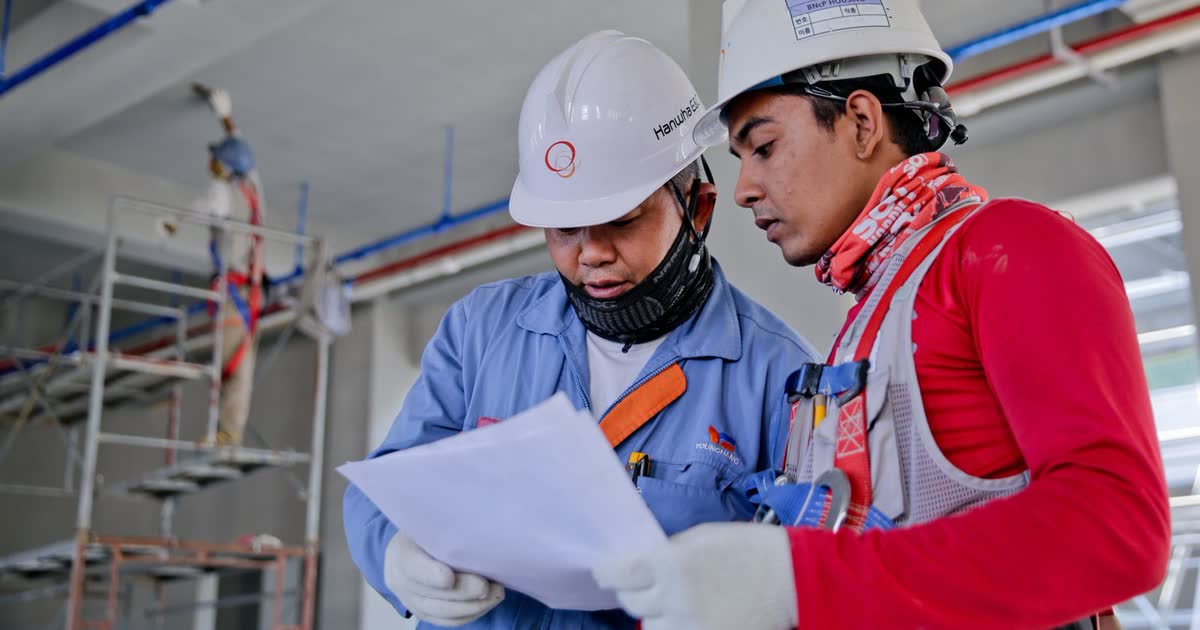
Get an architect's drawings and a structural design, and obtain the required approvals from the local authority. On larger plots or unknown ground, a soil test helps the engineer choose the right foundation.
Agree on a written scope with your contractor: what is included, which materials and brands, the payment schedule and the timeline.
Stage 2: Excavation and foundation
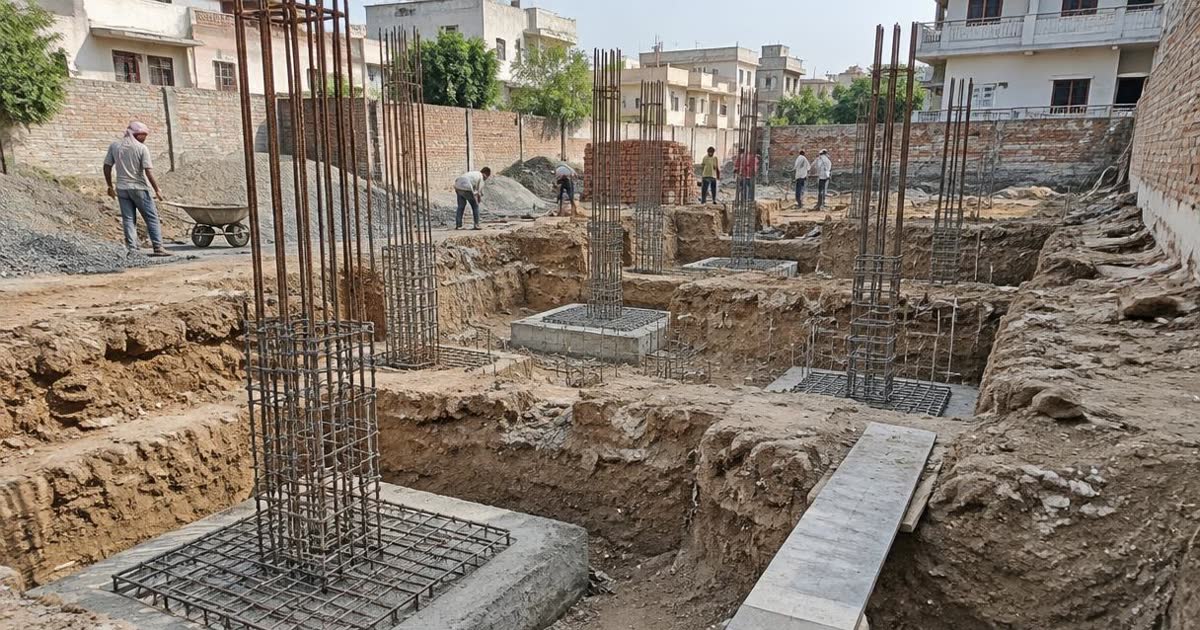
The site is marked out, trenches or pits are dug, and a lean PCC bed is laid. Footings with steel reinforcement are cast, followed by columns up to plinth level.
- Check that pit depths match the drawing.
- Check bar sizes, spacing and cover blocks before concrete is poured.
- Ensure footings are cured with water for the full period.
Stage 3: Plinth beam and filling
A plinth beam ties the columns together at ground level. The area inside is filled in compacted layers, and anti-termite treatment is applied before the floor base is laid.
Stage 4: RCC frame, walls and roof slab
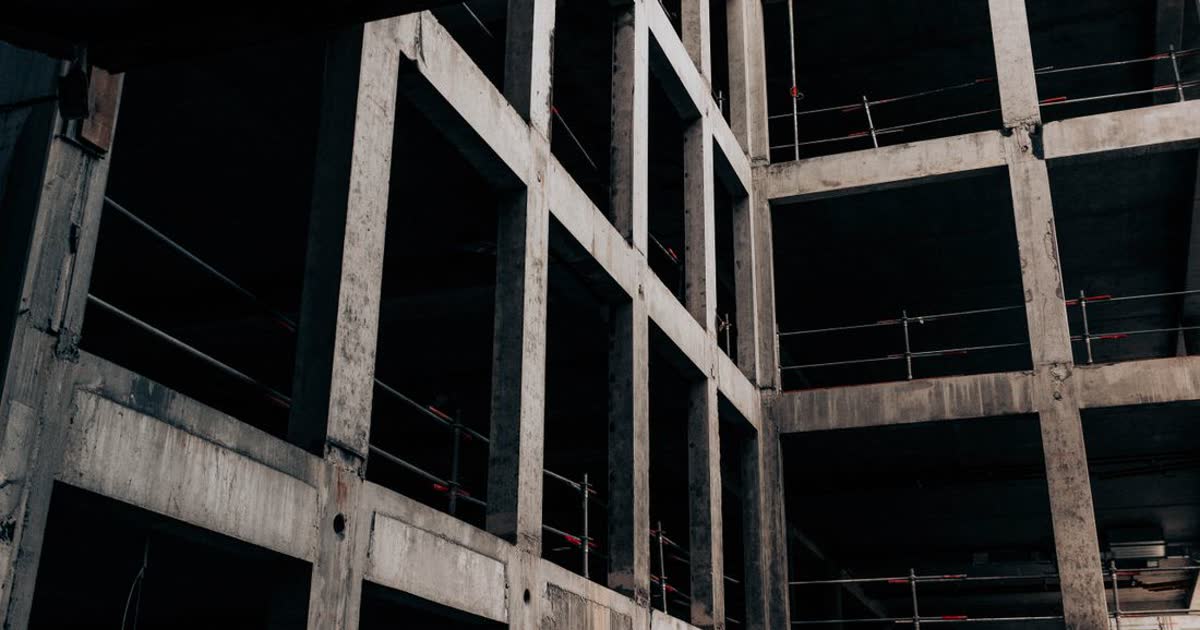
Columns, beams and slabs are cast floor by floor. Brick walls follow, with lintels over doors and windows. This is the stage where quality control matters most. Our RCC construction quality checklist lists exactly what to inspect.
Building Construction
Planning to build your home?
Share your plot size and plans. We will walk you through the stages and give a clear quote.
Stage 5: Services, plaster and waterproofing
Electrical and plumbing
Conduits and pipes are laid in walls and floors before plaster. Pressure-test water lines now, while they are still easy to reach.
Waterproofing
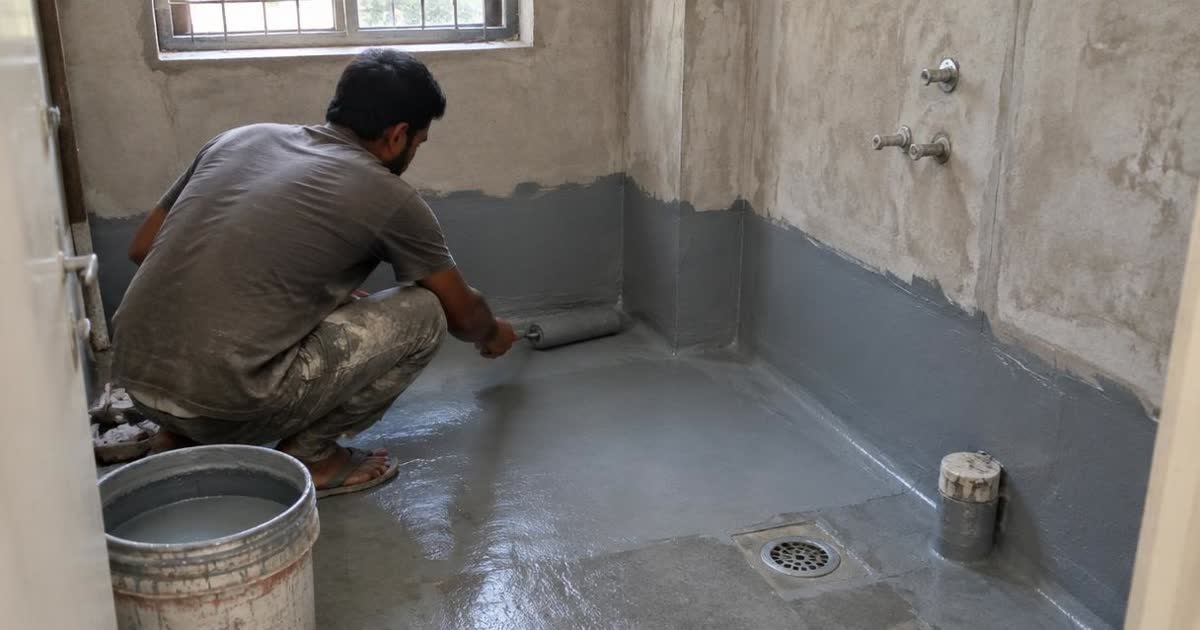
Waterproof bathrooms, balconies, the roof and water tanks before tiles and finishes go on. Skipping this to save money is the most common regret we hear from homeowners.
Plaster and flooring
Internal and external plaster follow, then flooring, doors and windows, painting and fixtures.
Stage 6: Handover
Before final payment, walk through every room. Test taps, drains, switches and doors, and check the roof after watering it. Ask for a list of materials used and any warranties.
Keep photos of each of the house construction stages, especially pipes and steel before they are covered. They are invaluable for future repairs and extensions.
Conclusion
Every one of these house construction stages hides the one before it. Check each stage while it is still visible, and you will have far fewer surprises after you move in.
BS Rajput Contractor builds homes and residential projects in Agra, from foundation to finishing. Learn more about our team, see our construction services, or ask for a site visit.
Frequently asked questions
How long does it take to build a house in Agra?
A typical two-storey home takes several months, depending on size, design, approvals, material supply and weather.
Which stage of construction is most important?
The foundation and RCC frame, because they carry the whole building and cannot be fixed easily once covered.
When should waterproofing be done in a new house?
Before tiling and finishes: bathrooms, balconies, the roof and water tanks should be treated as soon as the base surfaces are ready.
Should I buy materials myself?
It can save money if you have time to manage supply and quality. Agree clearly with your contractor who supplies what.
Building Construction
Planning to build your home?
Share your plot size and plans. We will walk you through the stages and give a clear quote.